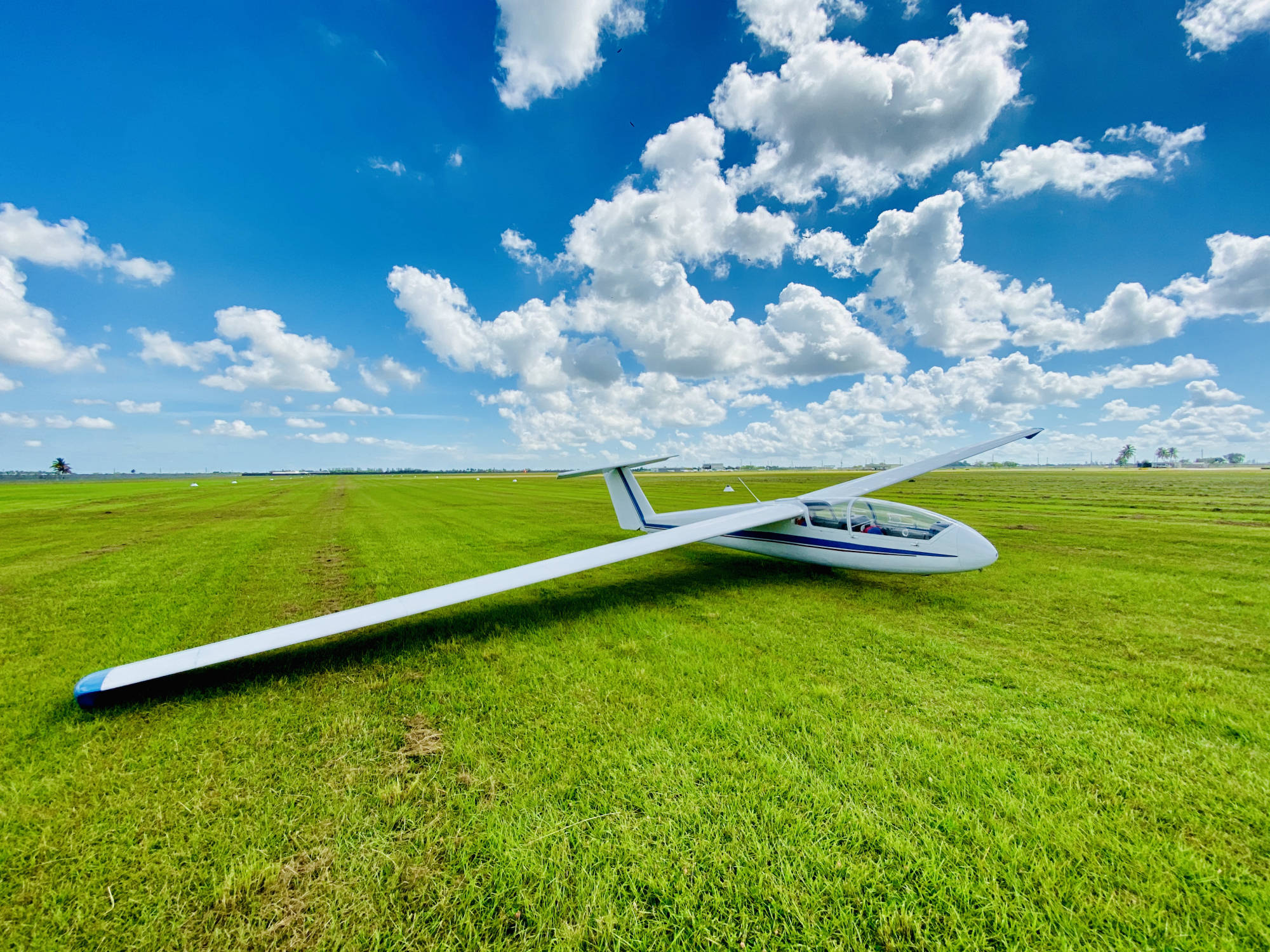
1930s The Miami Soaring Club Takes Flight

The Miami Soaring Club was established in 1930 as a National Glider Association chapter. Five years later, two Soaring Hall of Fame pilots, Jack O'Meara and Richard du Pont, flew a pair of Franklin PS-2 sailplanes (the dominant contest glider of the era, designed by a third HOF inductee, R.E. Franklin) on the first international glider airmail sky train from Miami to Havana, towed by Elwood Klein and Cuban aviation pioneer Agustín Parla.
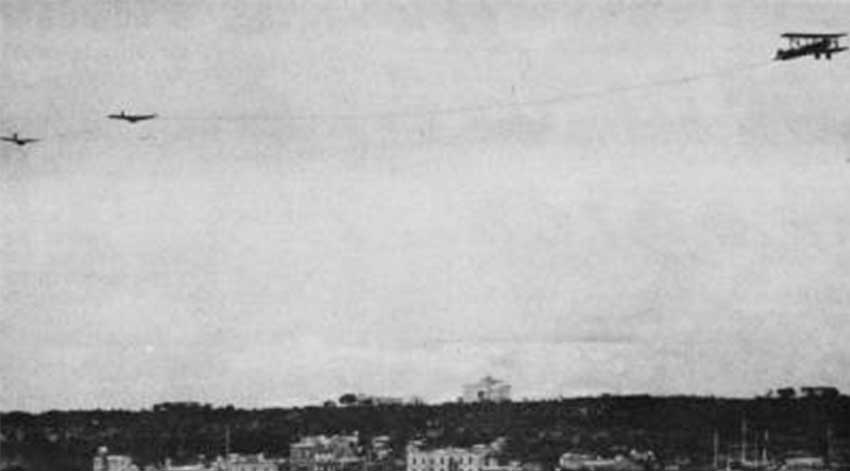
The flight had been chartered on March 28, 1935 by Cuban Secretary of Communications Pelayo Cuervo Navarro, with Cuba contributing 3,000 pesos toward the project. The train departed Miami at 1 p.m. on May 14 and held formation across roughly ninety miles of open Florida Straits. La Cabaña fortress fired a single cannon shot at 2:05 p.m. as it passed Key West, then two more at 3:10 p.m. as it became visible over Havana. After a flight slightly over two hours, O'Meara set sailplane G-448 down in front of the Capitolio at 3:25 p.m., rolling to a stop near the Payred cinema; du Pont brought G-11180 down three minutes behind him as more than 50,000 people lined the Paseo del Prado, Plaza de la Fraternidad, and surrounding rooftops. The 148 letters they carried, bearing 2¢ U.S. National Parks stamps and re-franked in Havana with a special Tren Aéreo Internacional issue, made it the first international glider airmail in history.
Further reading: Mystic Stamp Discovery Center, May 14, 1935 · Excelencias del Motor (Habana 505) · National Soaring Museum Hall of Fame · Franklin PS-2 (Wikipedia)
1940s to 50s After the War · The Flying C Ranch

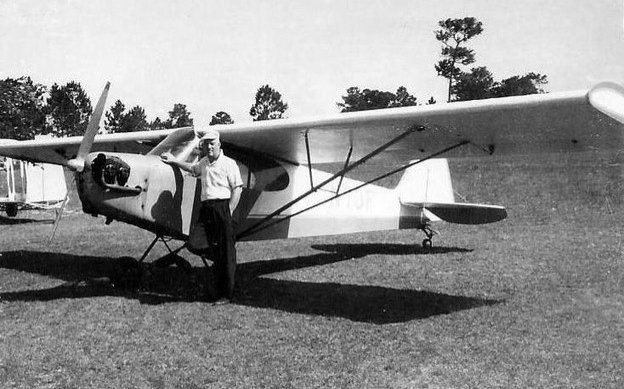
After World War II ended, former Army Air Bases at Chapman Field and Homestead were put to peaceful use by pilots Fritz Compton, Fritz Sebek, Gene Miller, Fred Brittain, and Marty Bennett, flying war-surplus LK-10A gliders. The community that would carry South Florida soaring forward for the next half-century was already taking shape.
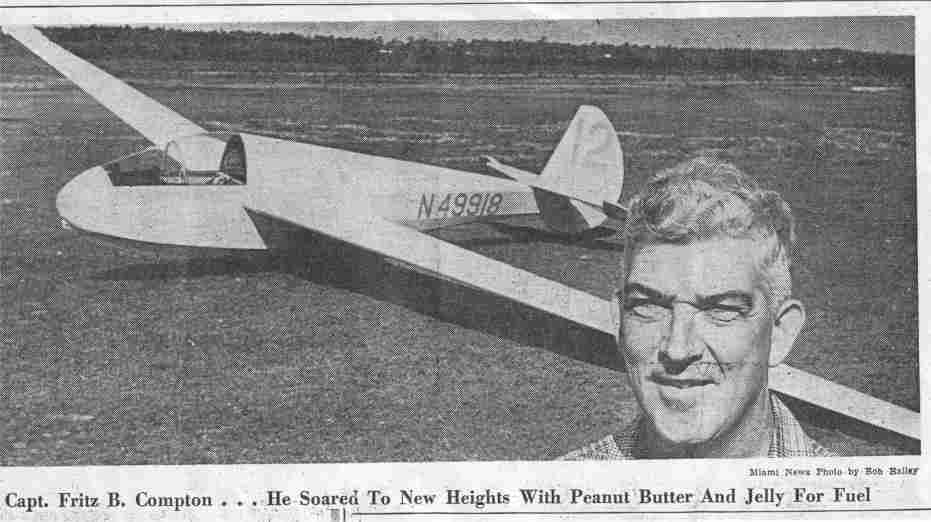
By 1954, Fritz Compton had built a grass airport, the "Flying C Ranch," near the present-day Falls shopping center, and made it home to the South Florida Soaring Association.
Compton (1915 to 2006), an Eastern Air Lines captain who'd received soaring's prestigious Warren Eaton Trophy in 1948 and would represent the U.S. on the 1958 World Soaring Team in Poland, drew notable visitors including German soaring legend Peter Riedel, French pilot Rene Comte, Captain Ralph Barnaby, and sailplane designer Dick Schreder.
Through the late 1950s, membership grew to include John Randall, Fritz Sebek, Marty Bennett, and many other dedicated enthusiasts who collectively built the South Florida soaring community into one of the most active in the country.
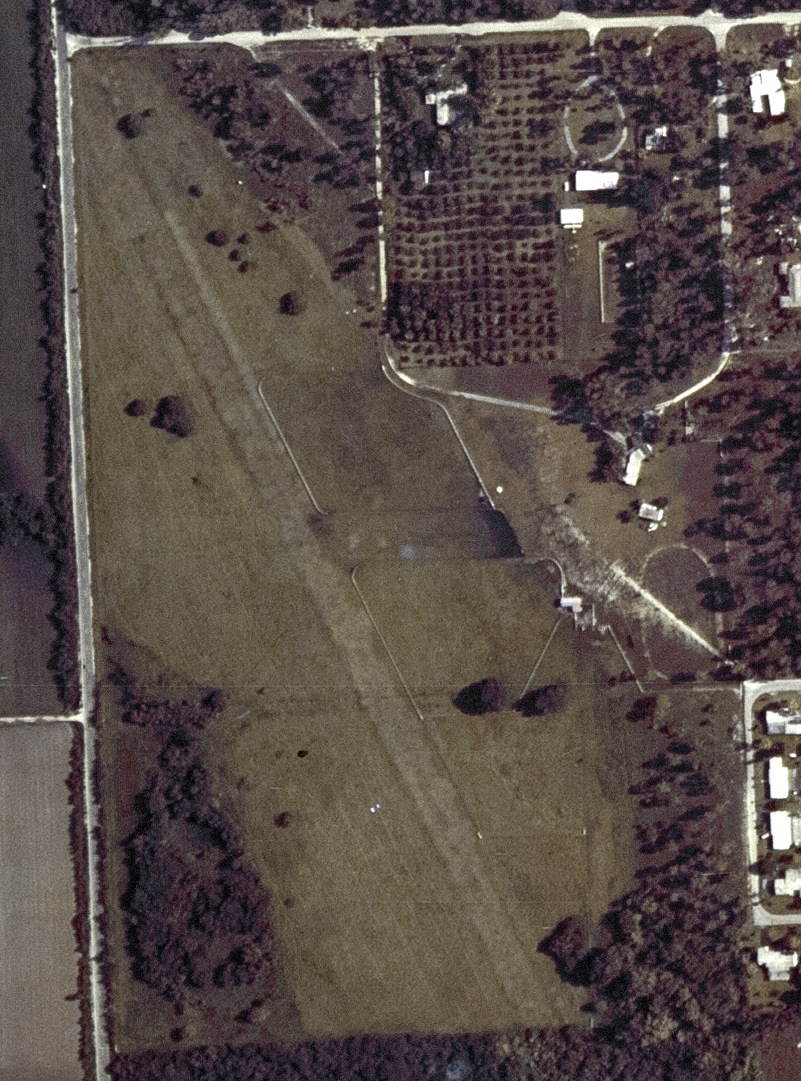
1960s The Miami Gliderport
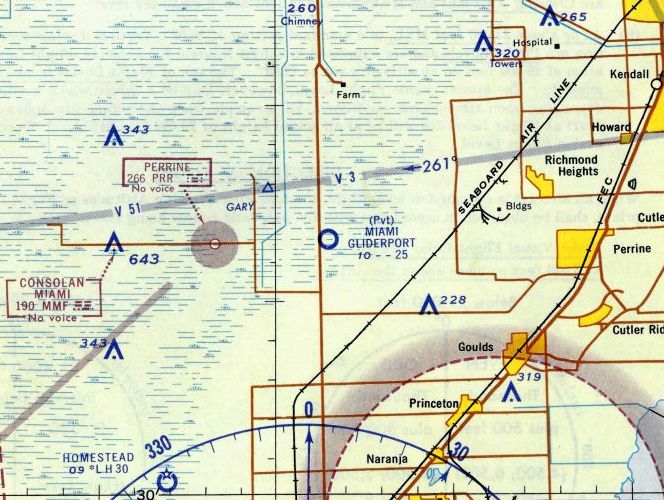
The club relocated to a site on Krome Avenue near Homestead for better access to Everglades thermals. Named the Miami Gliderport circa 1963, it reorganized as Thermal Research Associates. Jim Parrott operated the Miami Soaring School there, introducing hundreds to soaring in Schweizers, Ka-6s, and other classic sailplanes.
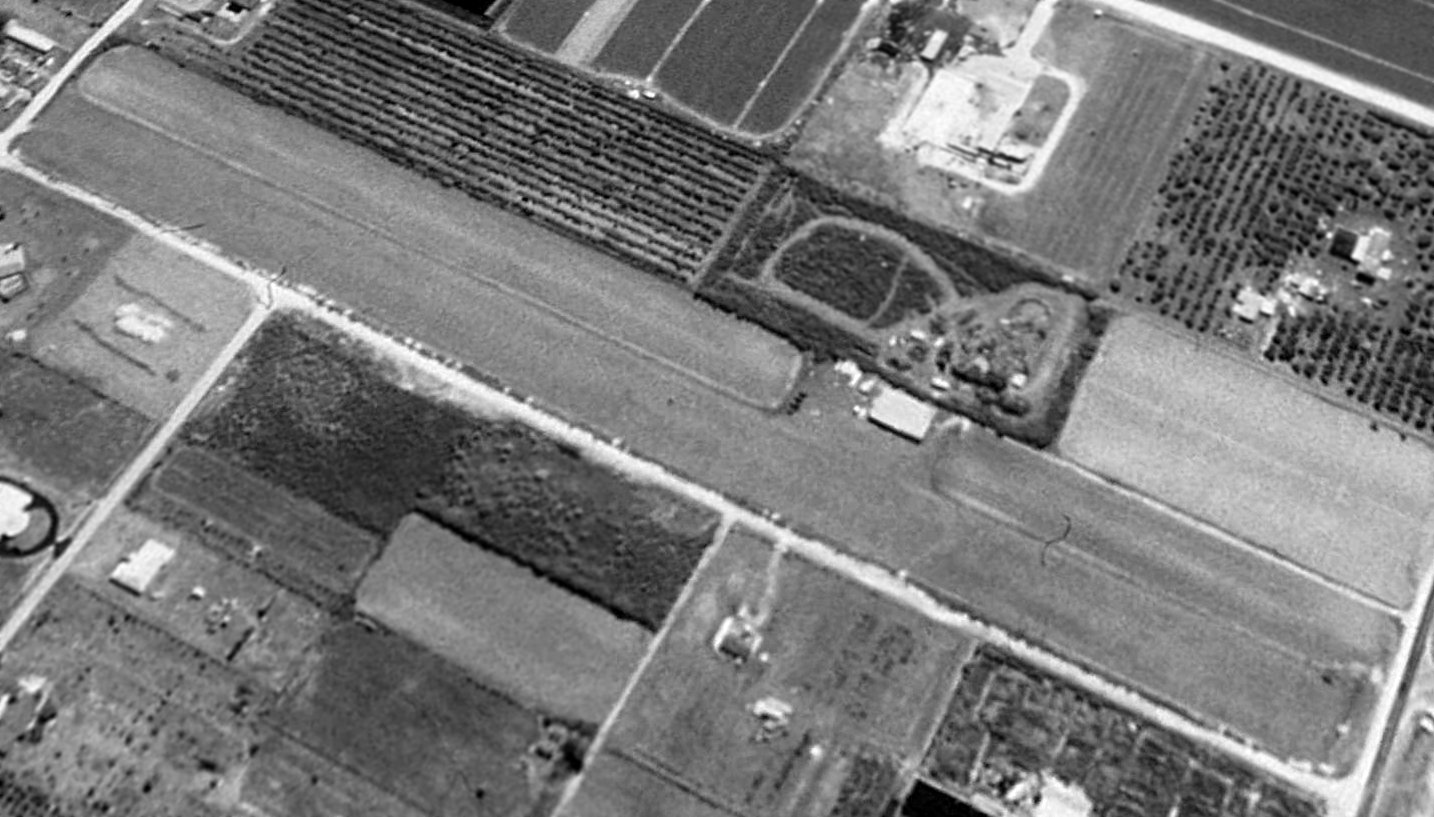
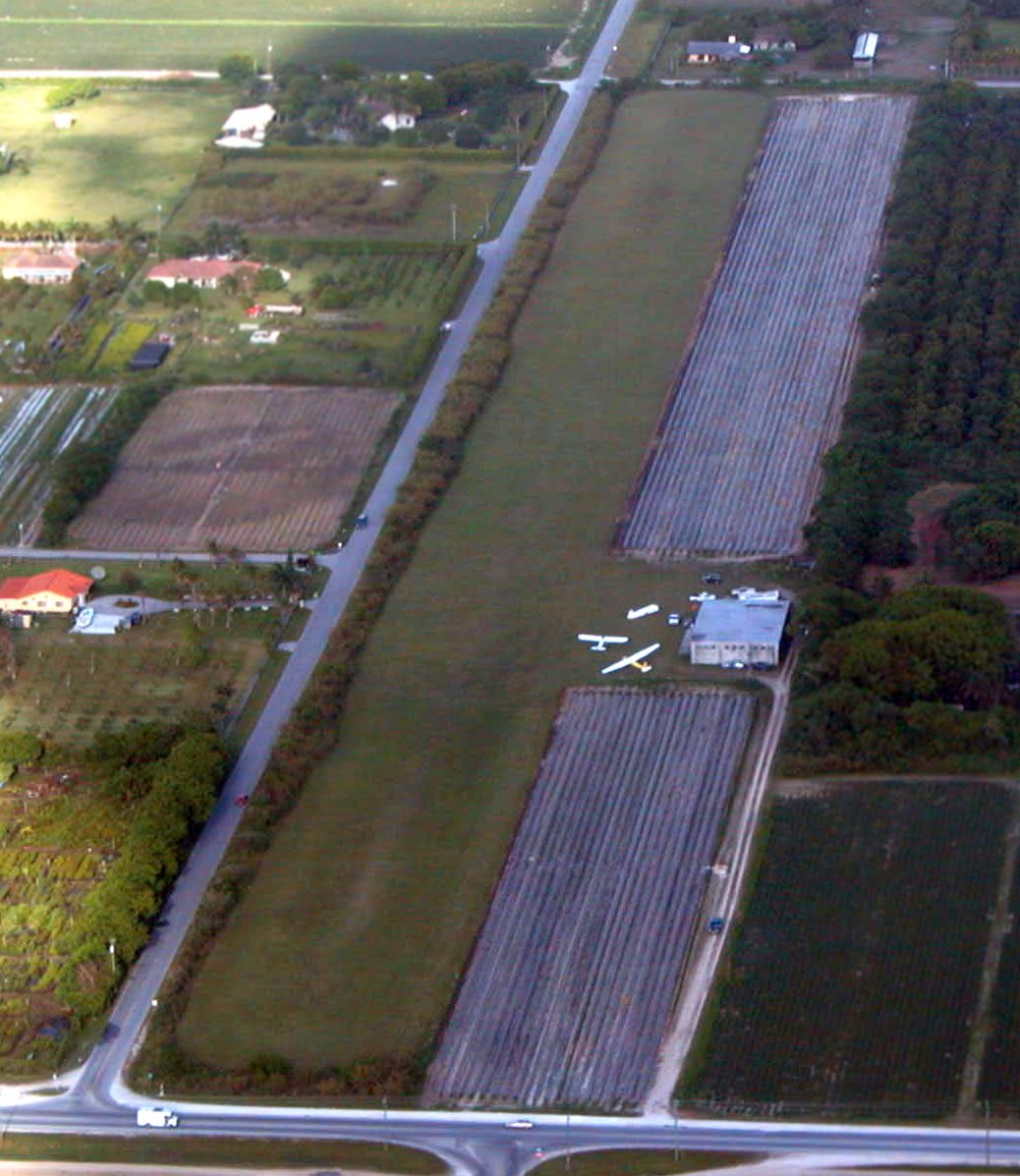
The earliest available aerial of the gliderport is a 1994 USGS frame looking southeast, showing a single grass east-west runway with one small hangar on the south side, set among the surrounding tomato fields and orchards.
1970s to 90s Kendall Gliderport
Mary Gaffaney established the Kendall Gliderport in the early 1970s, near the edge of Everglades National Park, where cloud bases climb above 8,000 feet on the best soaring days. The site quickly became a favorite for both local pilots and visitors from around the world.
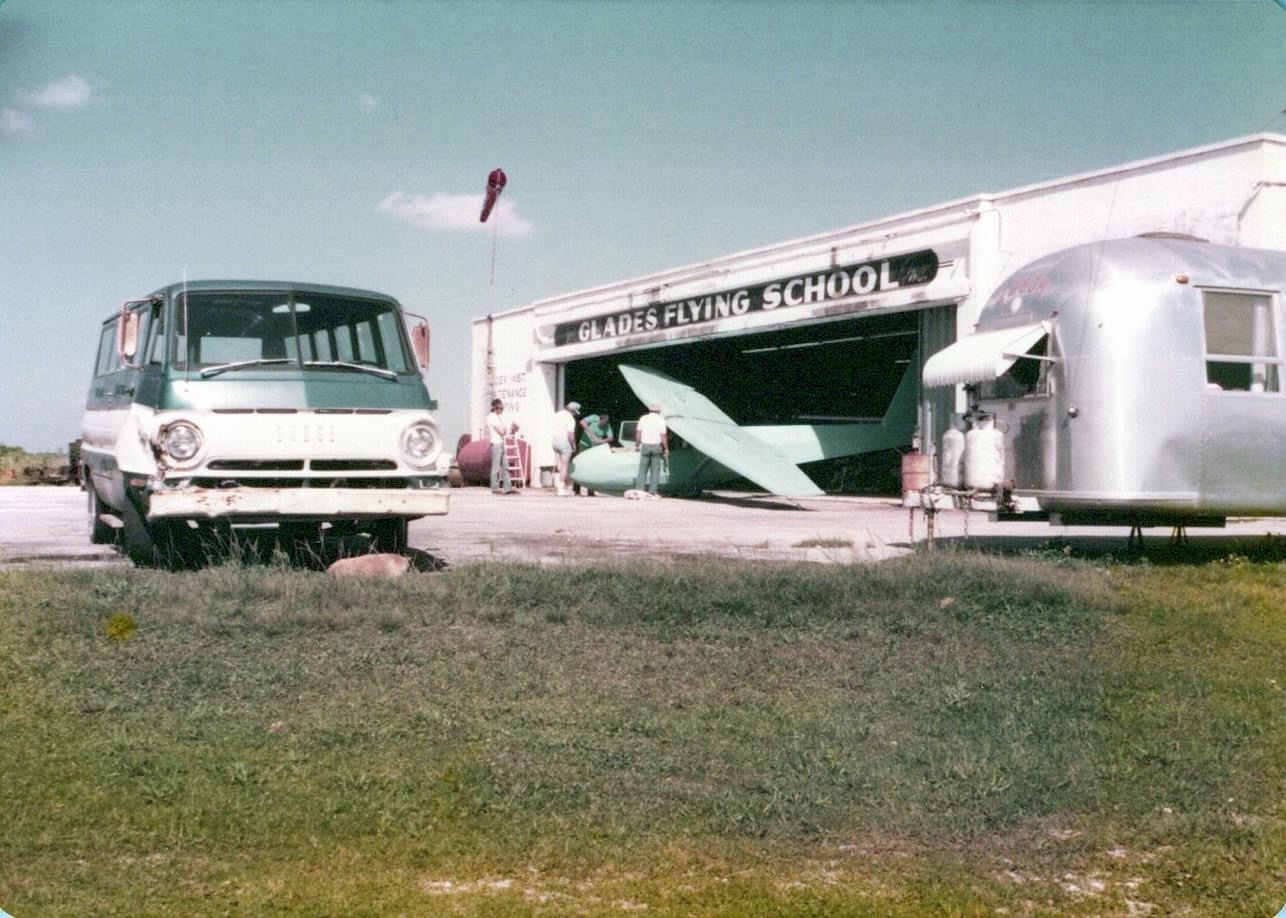
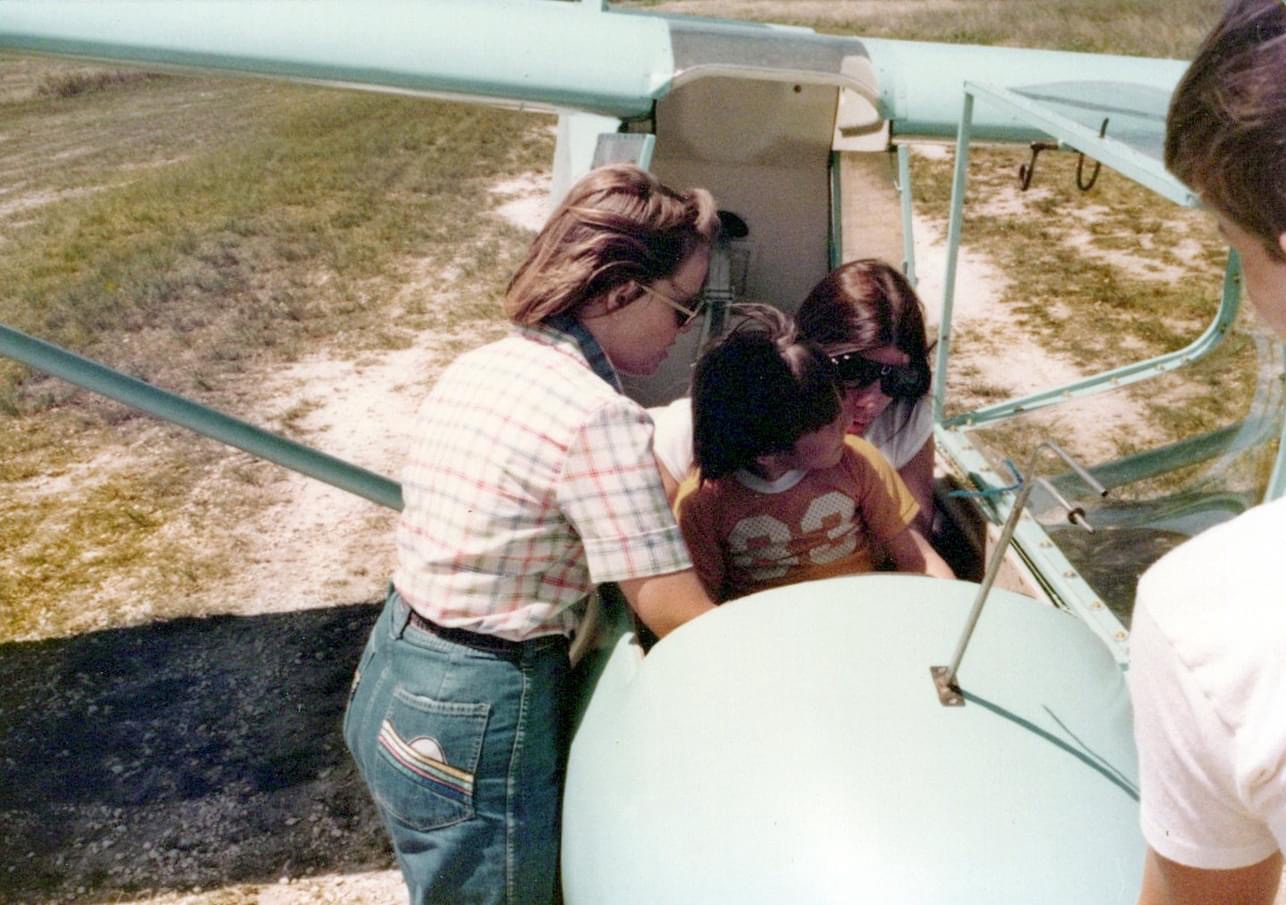
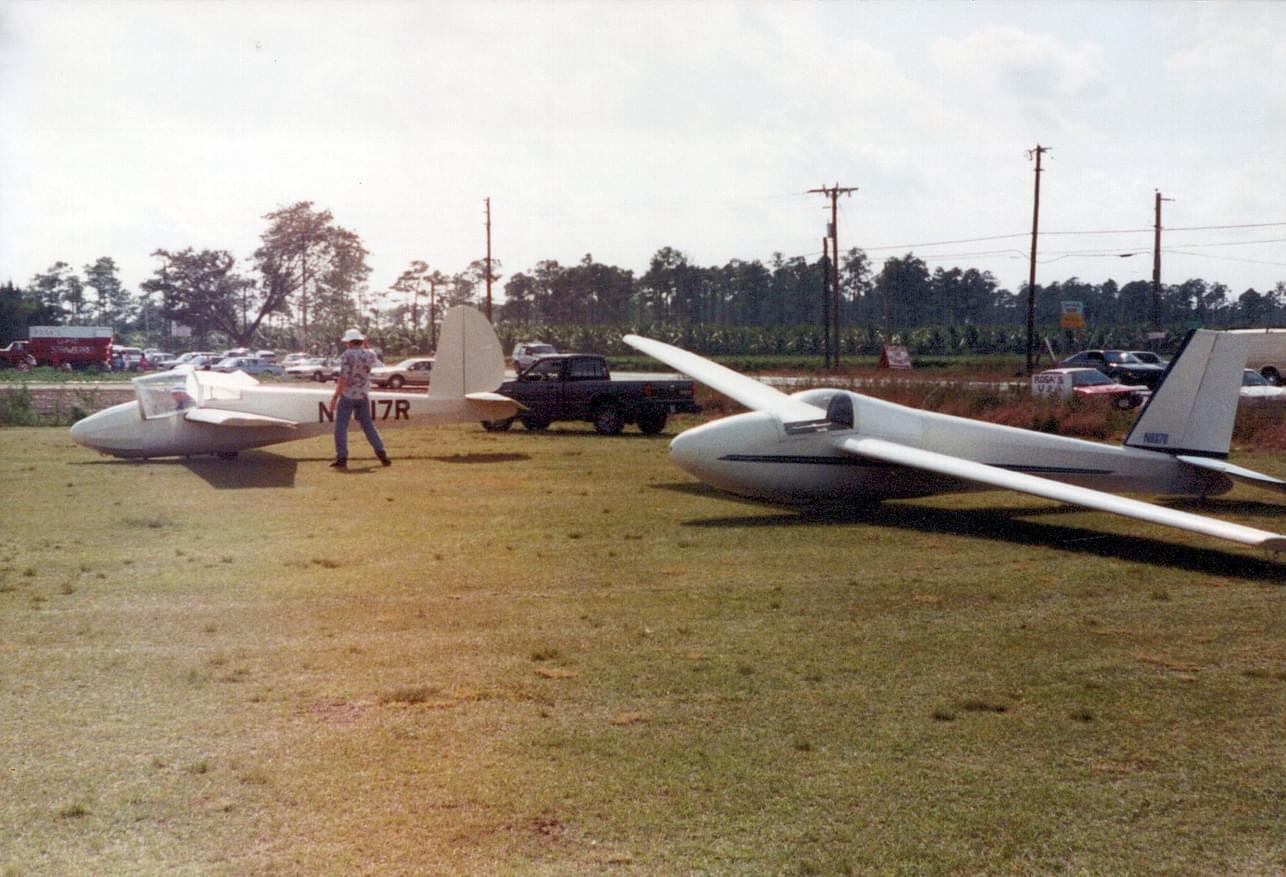
Thermal Research Associates reorganized as the Miami Glider Club around 1980. The Kendall years were the era's golden age: a hangar full of sailplanes, families showing up on weekends to discover what flying without an engine felt like, Schweizer 1-26s and 2-33s lined up on the grass under blue Florida skies. By the 1990s, the Kendall facility was absorbed by the expansion of Everglades National Park.
Early 2000s Richard's Field
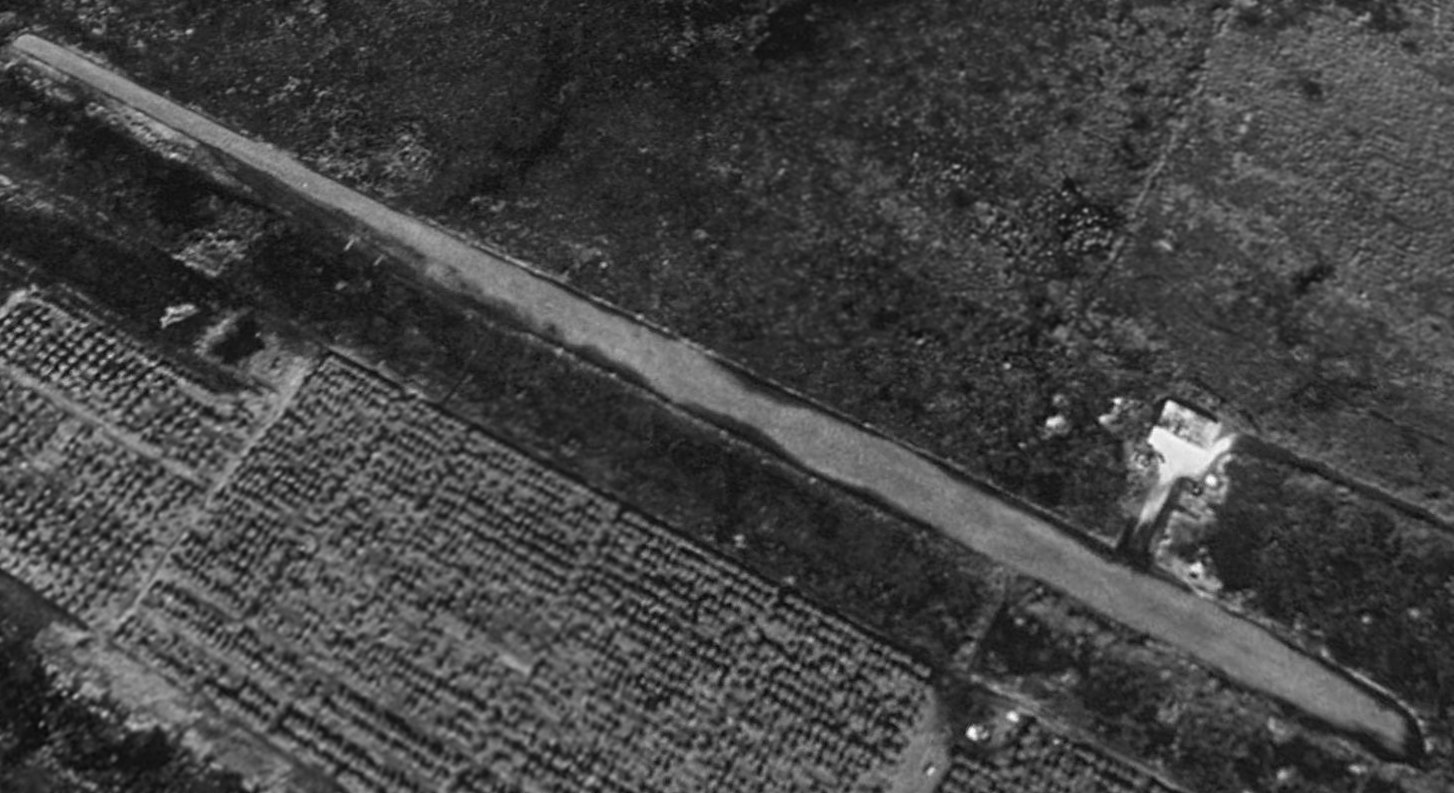
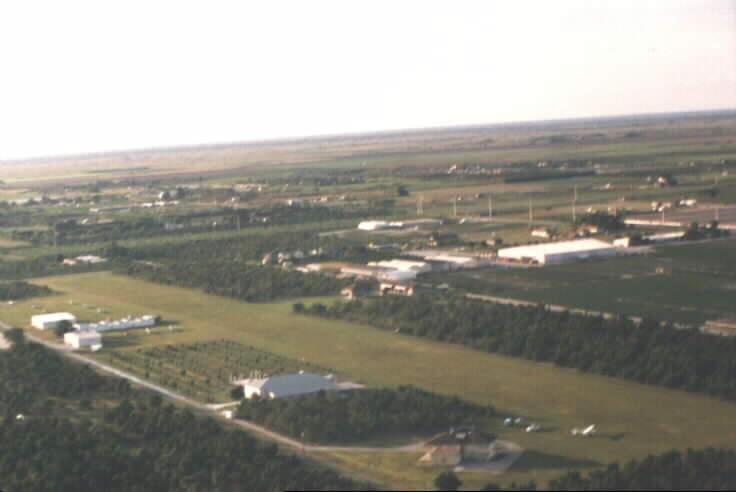
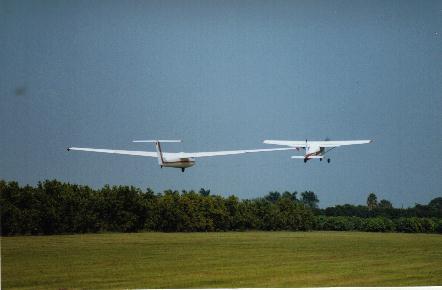
Through the late 1990s and early 2000s, Burt Compton (son of Flying C Ranch founder Fritz Compton) kept South Florida soaring active at Richard's Field, a small grass strip tucked among tomato fields and orchards. The operation ran on weekends with tow service, training, and intro rides while the older Miami Gliderport wound down nearby. Burt eventually moved out to Marfa, Texas, where he runs Marfa Gliders today. The Miami Gliders name passed separately to Tom Mackie and Carlos Zuniga, who would soon move it south to Homestead.


Mid 2000s A New Generation
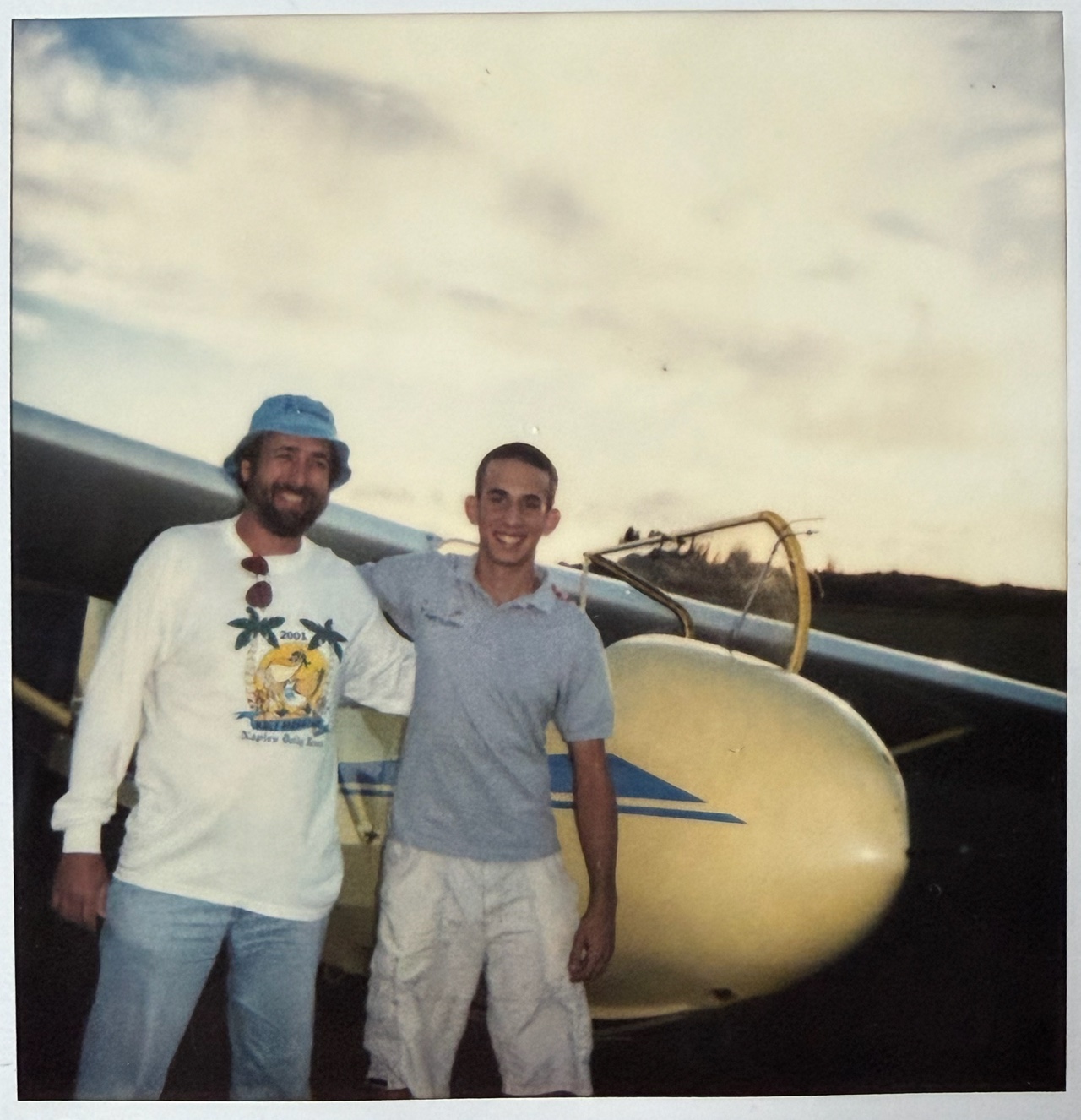
Tom Mackie and Carlos Zuniga acquired the Miami Gliders name and, with the Krome Avenue site winding down after more than forty years of grass-strip gliding, moved the operation south to Homestead General Airport (X51) around 2003 to 2004. The landowners at Krome (never the club) had moved on to other plans for the property. Mackie and Zuniga ran the school at Homestead briefly before handing it off to Steve Diehl and Matt Alexander in 2004.

2000s to Today Homestead General Airport
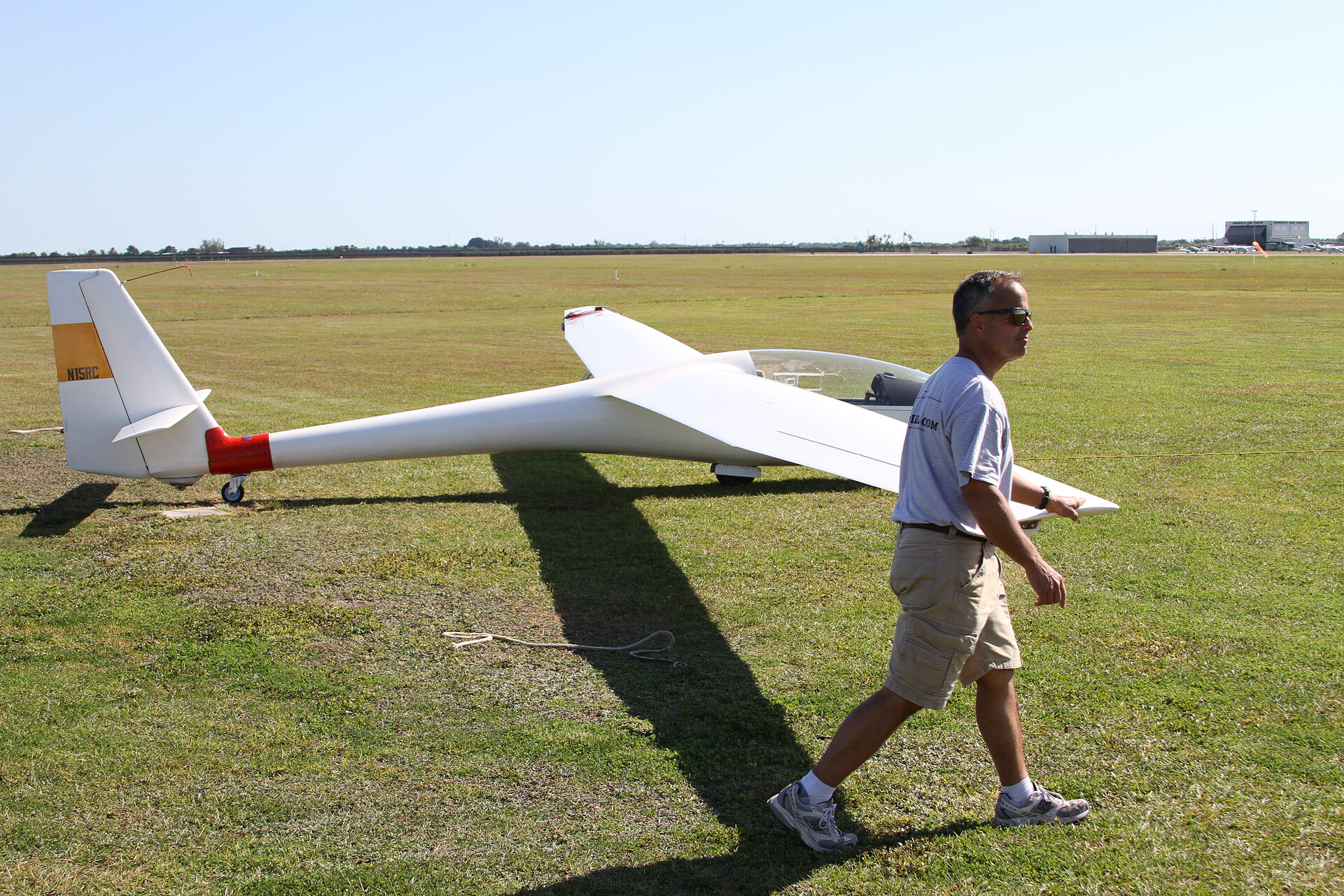
In 2004, Steve Diehl and Matt Alexander took over the Miami Gliders operation from Mackie and Zuniga and settled the school at Homestead General Airport (X51), a half-mile grass runway on the edge of Everglades National Park. The Everglades' shallow water retains heat overnight, fueling near-daily thermal activity with cloud bases climbing above 8,000 feet on the best soaring days.
As the school grew through the mid-2000s, the operation came to rely more on the airport's north-south runway. That created friction with the Miami-Dade Aviation Department, and for a time, the future of Miami Gliders was genuinely uncertain. The owners made their case to a county commissioner, AOPA, the broader soaring community, and the Miami Herald. After a feature traced the school's history and the many young aviators who had launched professional flying careers in its sailplanes, Miami Gliders and the Aviation Department reached an agreement: the operation would relocate to the airport's ultralight grass strip, runway 09/27.
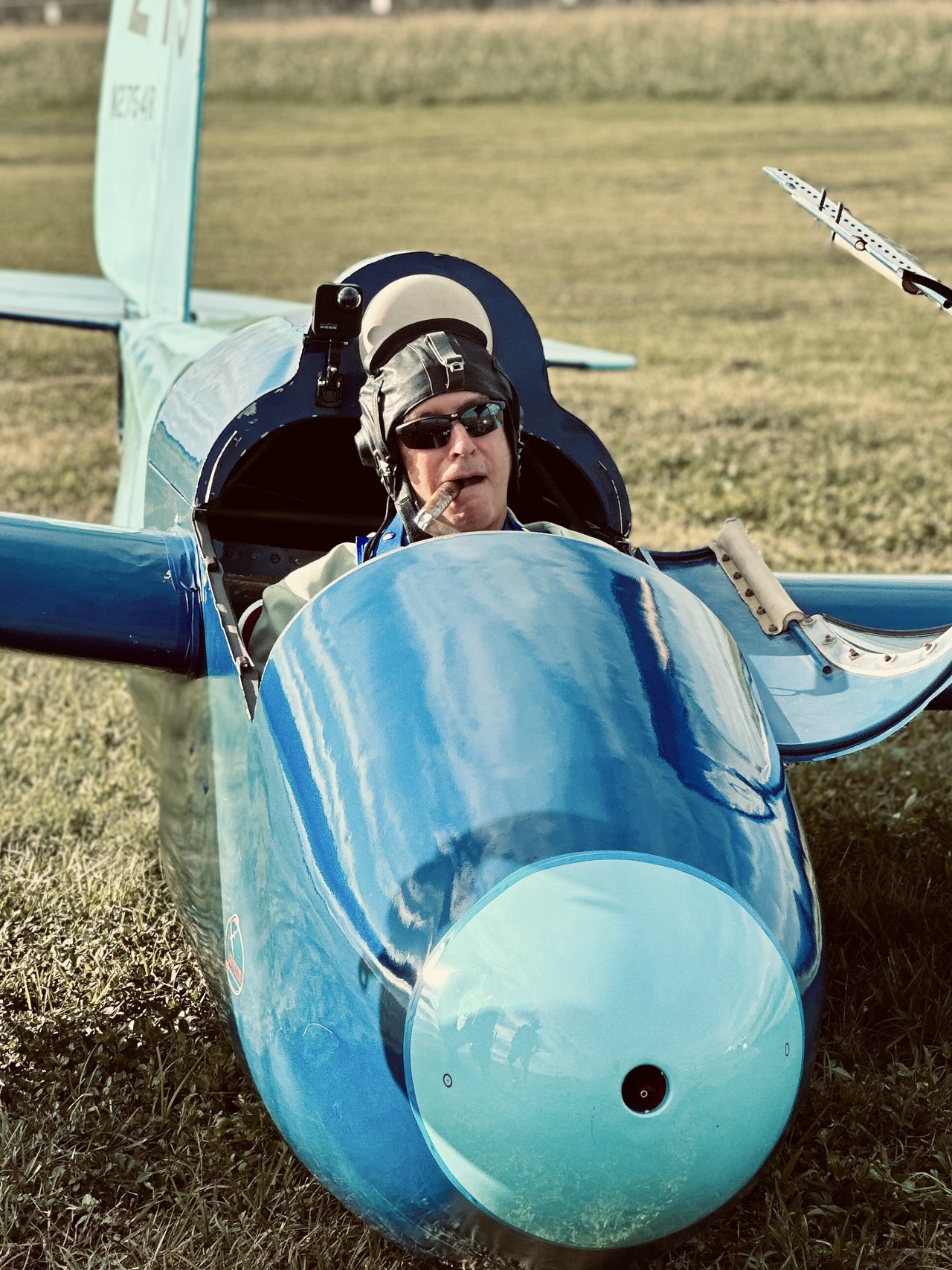
That strip was too short for the operation, and the airport's budget could not cover the work to extend it. So Steve Diehl and the crew did it themselves, sodding, rolling, and lengthening the runway by hand, on their own dime, for roughly a twentieth of what the county had estimated. Once the FAA signed off on the finished work, Miami Gliders had a home runway of its own, and has flown from 09/27 ever since.
Today the school flies a fleet of Schweizer SGS 2-32 and Super Blanik L-23 sailplanes plus a Pawnee towplane, training private pilots, add-on rating candidates, and offering instructor-led intro rides, carrying the South Florida soaring tradition into its tenth decade.

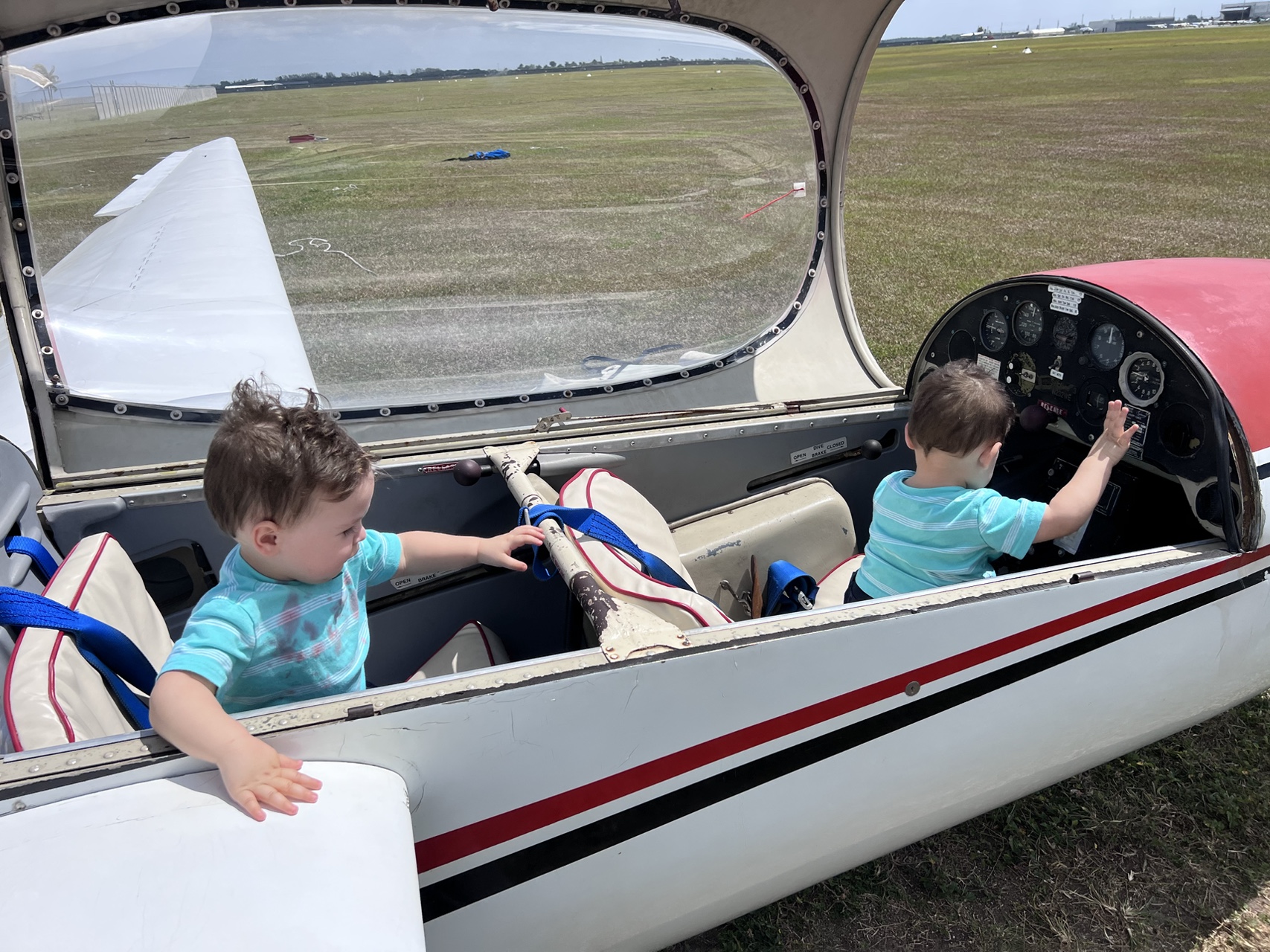
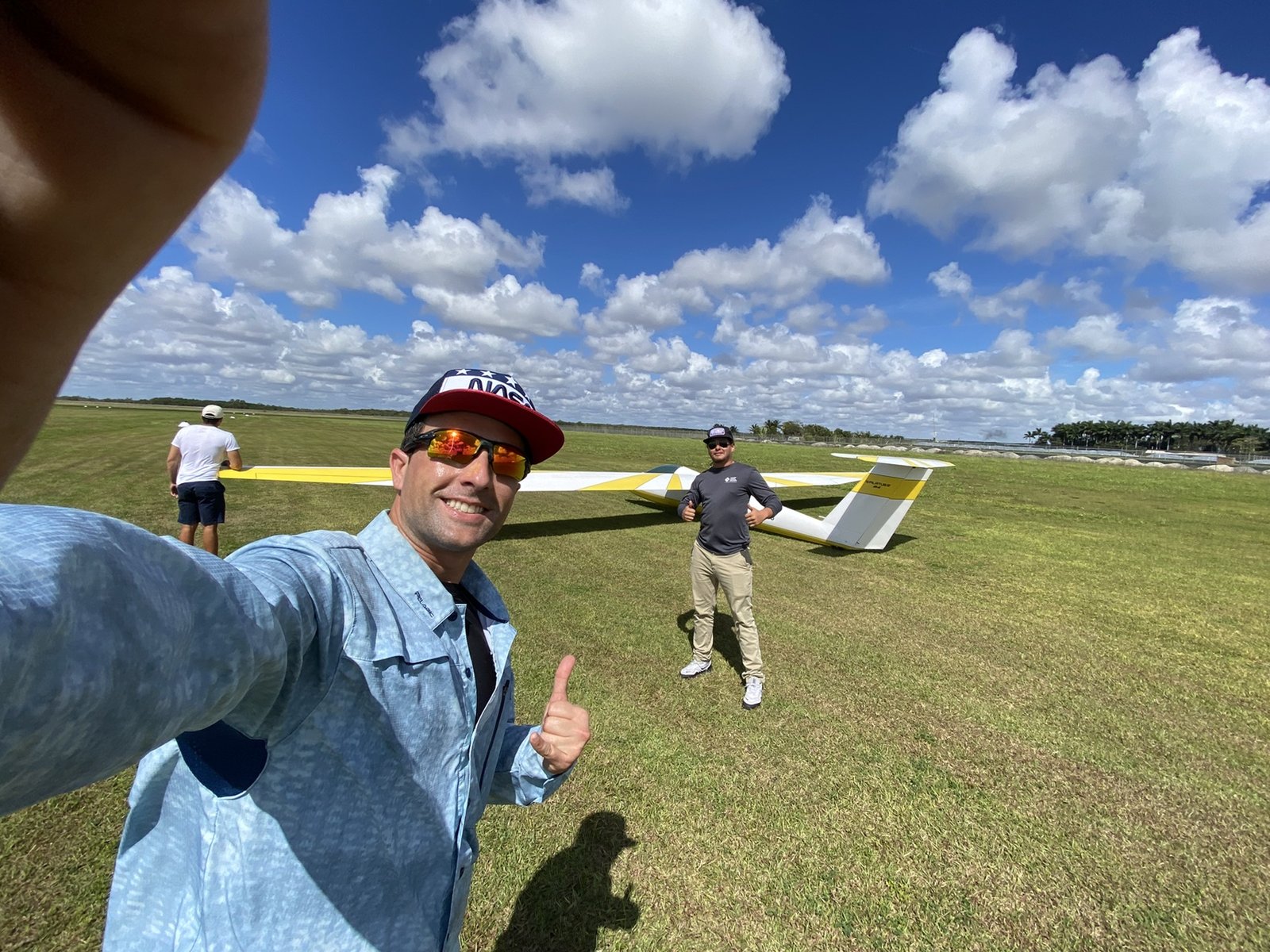
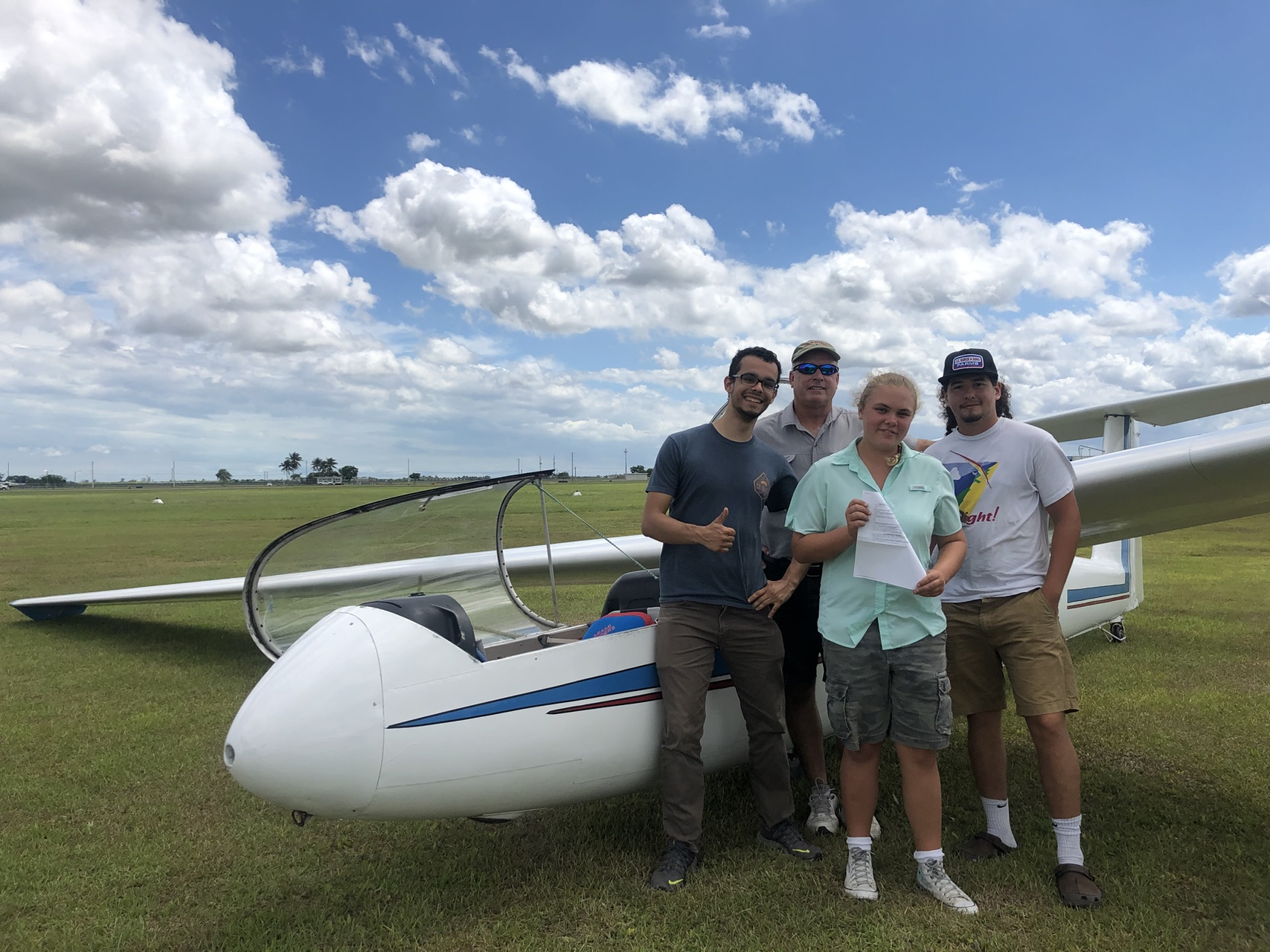
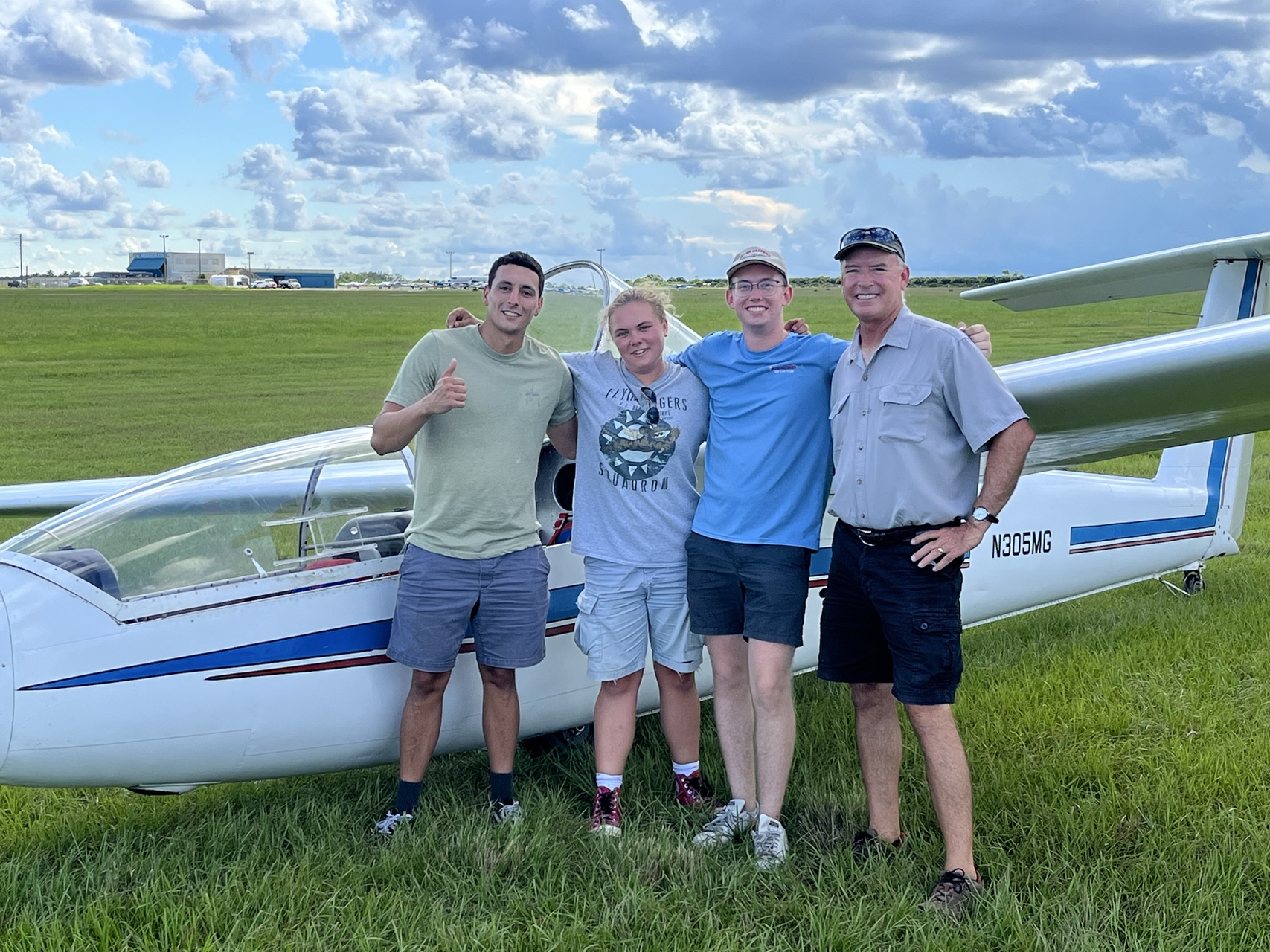
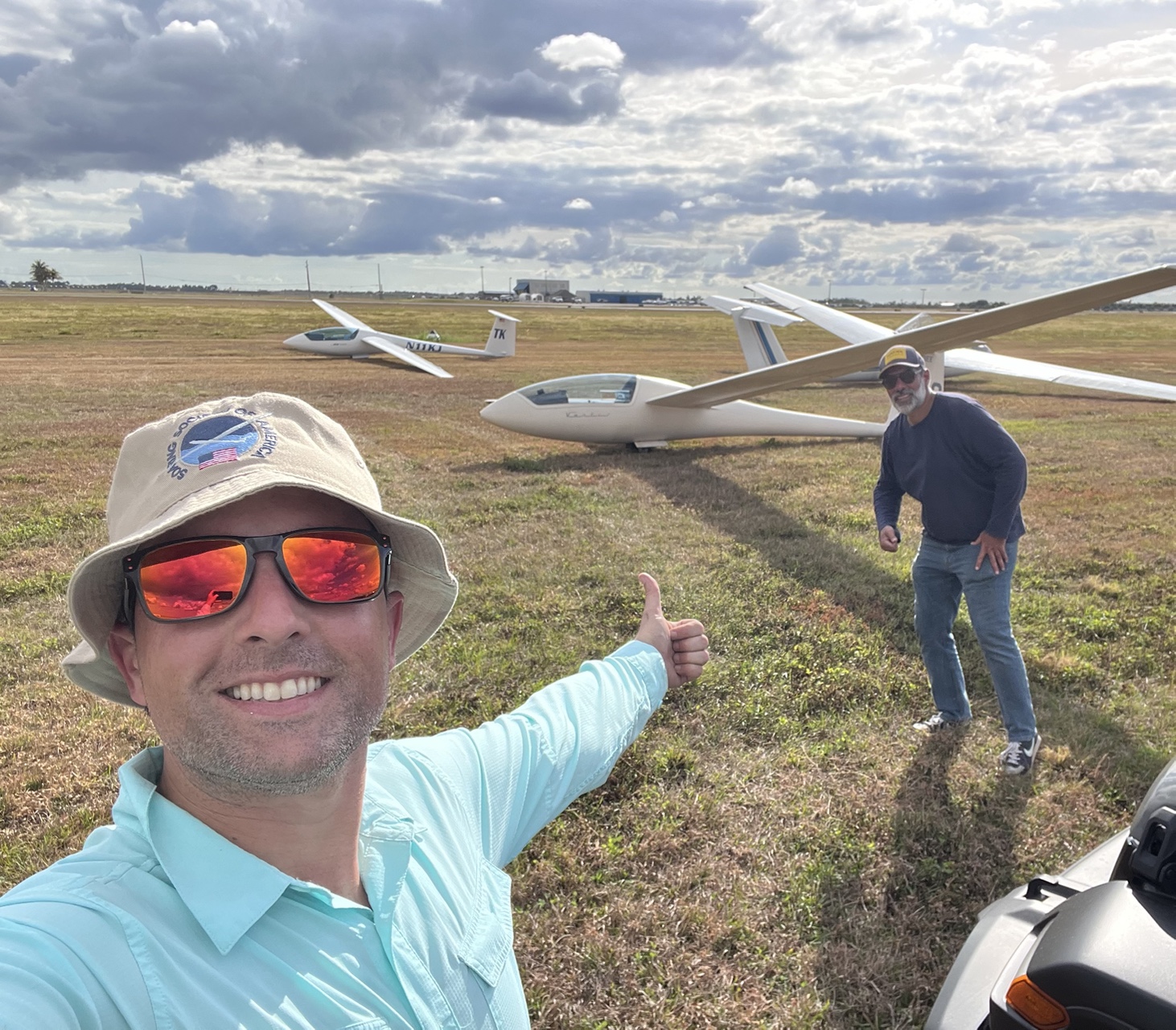
The crew, students, and weekenders that make Miami Gliders go. More on the Media page.
